

Often referred to as the “kissing disease,” mononucleosis has a reason for that moniker. The link to kissing comes from the fact that the main cause of this illness, the Epstein-Barr virus (EBV), is most frequently transmitted through saliva. However, sharing food or beverages, as well as coming into close contact with an infected person's saliva, can also spread the virus. Mononucleosis (or “mono”) is anything but trivial, despite its somewhat humorous moniker, especially for teenagers and young adults who are most likely to suffer from its entire spectrum of symptoms.
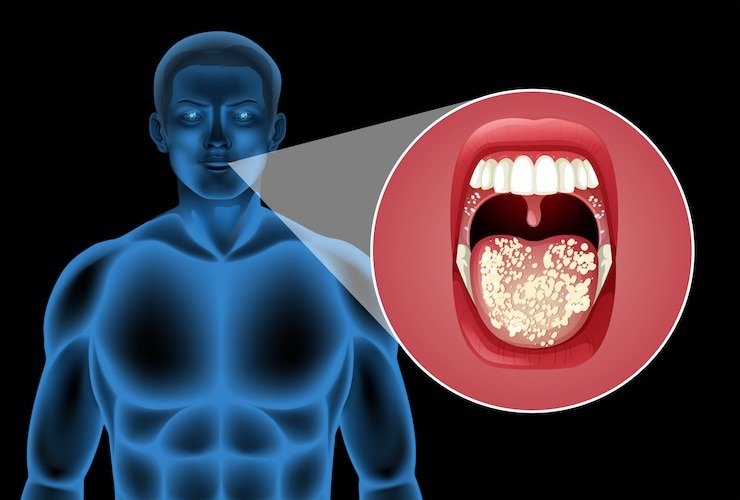
The symptoms of mononucleosis can be incapacitating, despite the fact that it is usually not fatal. The initial symptoms, such as fever, sore throat, fatigue, and enlarged lymph nodes, are frequently confused with those of other illnesses, such as strep throat. Furthermore, even though mono is not as infectious as the common cold, it is still something to be mindful of when interacting closely with an infected person.
Mononucleosis: A Quick Look at Symptoms, Causes, and Prevention
| Symptom | Description |
|---|---|
| Fatigue | Persistent tiredness that can last for weeks. |
| Sore Throat | Often misdiagnosed as strep throat. |
| Fever | Common in the early stages of infection. |
| Swollen Lymph Nodes | Particularly in the neck and armpits. |
| Headaches | Frequently accompany the fever and sore throat. |
| Enlarged Tonsils | May cause difficulty swallowing. |
| Rash | Skin rash that can appear in some cases. |
| Enlarged Spleen | Rare but serious complication. |
| Cause | Description |
|---|---|
| Epstein-Barr Virus (EBV) | The primary virus responsible for mono. |
| Other Viruses | Other viruses may cause similar symptoms. |
| Prevention Tip | Description |
|---|---|
| Avoid Saliva Exchange | Avoid kissing or sharing food/drinks with infected individuals. |
| Good Hygiene | Wash hands regularly to reduce the spread of EBV. |
| Stay Home When Sick | Minimize contact with others until symptoms subside. |
Wiki
Recognizing Mononucleosis's Causes and Symptoms
Although the Epstein-Barr virus is the most frequent cause of mononucleosis, other viruses that cause comparable symptoms can also cause it. The illness usually begins with flu-like symptoms, which can last for weeks and include fever, sore throat, fatigue, and enlarged lymph nodes. It can be difficult for doctors to diagnose mono early on because, unlike some other infections, its symptoms frequently don't get better with standard treatments.
It can be challenging for people to link their infection to the exact moment of exposure because the virus can take four to six weeks to manifest its symptoms. Teenagers and young adults are most at risk, even though many young children have few or no symptoms and may never receive a diagnosis. Early symptom recognition is essential for halting the disease's spread and guaranteeing appropriate treatment.
Among the distinguishing indicators are:
- Feeling extremely exhausted, sometimes for weeks at a time, is called fatigue.
- Often quite severe, sore throat is sometimes confused with strep throat.
- One typical symptom in the early stages of mono is fever.
- Enlarged lymph nodes, especially in the armpits and neck.
- Enlarged tonsils, which may cause difficulty swallowing.
Other symptoms that may manifest in certain situations include headaches and skin rashes.
Challenges: When Mono Exceeds the Fundamentals
Mononucleosis usually goes away on its own in a few weeks, and the mainstays of recovery are rest and proper hydration. But there are some possible side effects that could make the illness much worse:
Spleen Enlargement:
The spleen, which is situated in the upper left section of the abdomen, may enlarge. Rarely, this can result in a splenic rupture, which calls for immediate medical care.
Liver Issues:
During an infection, some people may develop mild liver inflammation, or hepatitis, which can result in jaundice, or yellowing of the skin and eyes.
Blood Problems:
In certain cases, mono can result in thrombocytopenia (low platelet count) or anemia (low red blood cells), which can impair your body's capacity to properly clot blood or carry oxygen.
Heart and Nervous System Involvement – Although uncommon, severe cases can result in complications like Guillain-Barré syndrome, which affects the nervous system, or myocarditis, which is inflammation of the heart muscle.
Despite being rare, these issues can lead to longer hospital stays and necessitate prompt medical attention. Therefore, it's critical to keep in touch with your healthcare provider throughout your recuperation if you encounter odd symptoms or your health deteriorates.
How Can Mononucleosis Be Prevented?
The best defense against mononucleosis is to avoid close contact with infected people because EBV spreads through saliva. Here are some essential pointers for lowering your risk:
- Refrain from sharing food, beverages, or eating utensils with someone who has mono.
- In order to stop the virus from spreading, wash your hands frequently.
- Avoid close contact with people when you're sick, especially when it comes to sharing drinks or utensils, until your symptoms go away.
Even after you recover, the Epstein-Barr virus may still be dormant in your body, making it possible for you to unintentionally infect others. This emphasizes the importance of awareness and prevention tactics, particularly in group environments where close contact is typical, like schools, sports teams, and universities.
The good news is that most adults have already been exposed to the virus and have developed immunity, so there is currently no vaccine to prevent mononucleosis. The best defense for those who have not been exposed is to remain vigilant and take preventative action.
Read more useful information on Elthorne Park Surgery, A One-Stop Destination for Quality Healthcare Services and Personalized Care.
