

Breast implants that were once thought to be permanent are now routinely being removed—not out of regret, but rather in search of comfort, clarity, or just a new chapter in life. Despite not being a novel procedure, breast explant surgery is gaining popularity among both patients and surgeons.
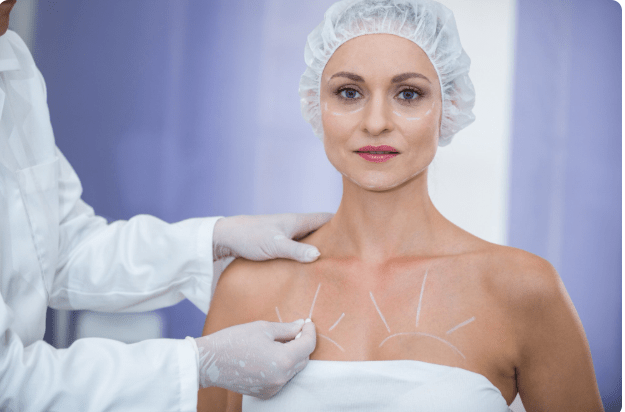
Body changes, implant aging, and personal preferences all change. As implants have started to feel physically or emotionally out of alignment, more women have been asking themselves what it means to return to their natural shape in recent years. Some people start with health problems or discomfort. Others make the choice because they want to feel more like themselves, less shaped, more genuine.
| Term | Description |
|---|---|
| Procedure Name | Breast Explant Surgery |
| Also Known As | Breast Implant Removal |
| Primary Reasons | Capsular contracture, implant rupture, Breast Implant Illness, lifestyle change |
| Common Add-On Procedures | Breast lift (mastopexy), fat grafting |
| Recovery Timeline | 2 to 6 weeks, with limited physical activity |
| Potential Outcomes | Natural breast shape, skin sagging, loss of volume |
| Risks & Considerations | Bleeding, infection, asymmetry, scarring |
| Reference | American Society of Plastic Surgeons – plasticsurgery.org |
The actual process is extremely accurate. To prevent more scarring, surgeons frequently make their incisions through the same spot that was used for the initial augmentation, usually the breast crease. They often perform a capsulectomy, which involves removing the surrounding scar tissue capsule in addition to the implant. In cases where a silicone implant ruptures or causes tissue to tighten, this step becomes particularly crucial.
Breast Implant Illness, or BII, is becoming a hot topic, and it is one of the more urgent reasons why patients seek explant surgery. BII includes a wide range of symptoms, including fatigue, cognitive fog, joint pain, and skin rashes, which many patients claim go away once their implants are removed, even though it is not formally recognized as a separate medical condition. Even though research is still being conducted, the firsthand accounts are unquestionably potent.
After having saline implants for more than 15 years, a friend of mine talked about feeling increasingly disconnected from her own image. Well, she wasn't exactly ill. She didn't feel completely well, though. She told me, “I feel like I'm breathing fully for the first time in years,” following her explant. That phrase hung there. It contained an unspoken element, something emotional and physical.
Recovery usually goes more smoothly than most people anticipate, though there are still difficulties. It typically takes patients two to six weeks to resume their normal level of activity. In order to promote healing, heavy lifting is prohibited during that period, and compression clothing is frequently worn. Others require time to get used to their post-explant appearance, while others feel a sense of relief right away.
Breasts may sag following explantation, particularly if the implants were big or had been there for a long time. Not all skin recovers quickly, and the natural breast tissue might not cover the empty space. To restore contour and create a balanced shape, many patients choose to have additional procedures like fat transfer, also known as mastopexy. A plastic surgeon who takes the time to learn about the patient's vision is frequently involved in these decisions.
Crucially, explantation does not mean that the past is forgotten. It transforms it. There is a growing cultural trend toward transparency in aesthetic choices, where the goal is to re-calibrate the body to reflect an individual's changing sense of self rather than to correct it.
A major medical trigger for removal is still capsular contracture. It is the term for the painful, even obviously deforming, tightening and hardening of the scar tissue surrounding the implant. When the capsule is carefully removed in its entirety, transplant surgery provides a very effective solution.
Ruptures of implants are another realistic explanation. Unnoticed for months, silicone ruptures can be silent but potentially troublesome. Surgeons take prompt action after spotting it, cleaning the surrounding tissues and removing the ruptured shell. Explantation serves as both a preventative and a corrective measure in these situations.
There are also those who are looking for freedom. having the capacity to sleep on their stomach. To run unhindered. without giving airport scanners a second look. The broader reasons behind many explant decisions today are reflected in these minor but significant changes.
According to some plastic surgeons, up to 30% of the procedures they performed involving implants were removals rather than insertions by 2024. More than just a trend, that statistic indicates a reinterpretation of aesthetic objectives influenced by time and experience.
Breast explant surgery can cost anywhere from $5,000 to $12,000, depending on the location and level of complexity. Costs rise when other procedures are performed, such as fat grafting or a lift. Most insurance policies only cover rupture, contracture, or medical complications, but more patients are calling for coverage related to symptoms of BII.
The majority of explant patients do not present their choice as regretful, it should be noted. A lot of people take pride in the confidence that implants have given them. However, humans age. The priorities shift. And occasionally, taking away something that was once empowering can feel just as liberating, if not more so.
The fact that women are currently driving this discussion is especially novel. Clarity, not shame, is what motivates it. Many people now openly share their decision to remove implants on social media and in recovery groups, as well as in private journals, making it a source of pride. The norm is shifting from secrecy to transparency.
From the perspective of surgery, breast explantation has advanced. In recent years, techniques have significantly improved, enabling safer results, better aesthetics, and quicker recovery times. More specialized reconstruction techniques, ultrasonic-assisted instruments, and en bloc removal are all improving the quality of care.
Find out more The Hidden Bacteria in the Air , How Legionnaires’ Disease Still Catches Cities Off Guard.
