

A convention in 1976 brought together veterans of war, but it also brought something completely unexpected: a mysterious illness that would still be a problem for building engineers, doctors, and public health officials decades later. The outbreak in Philadelphia was the first time we knew of what we now call Legionnaires' disease, a serious type of pneumonia caused by Legionella bacteria.
These bacteria are not strange. They are found in lakes and streams, which are natural freshwater habitats. But they can live and grow in man-made water systems like hot tubs, plumbing, and the cooling towers of big air conditioning units. When warm, still water gives them a place to grow, the threat grows. Then, all it takes is a mist, a spray, or vapor coming from a vent for someone to breathe in the pathogen without knowing it.
| Key Detail | Description |
|---|---|
| Disease Name | Legionnaires’ Disease |
| Causative Agent | Legionella bacteria (commonly Legionella pneumophila) |
| Common Symptoms | Cough, fever, muscle pain, headache, shortness of breath |
| Usual Onset | 2 to 10 days after exposure |
| Primary Transmission | Inhalation of contaminated water mist (not person-to-person) |
| High-Risk Environments | Hotels, hospitals, spas, cruise ships, cooling towers |
| High-Risk Individuals | Elderly, smokers, people with chronic lung or immune conditions |
| Diagnostic Methods | Urinary antigen test, sputum culture |
| Treatment | Antibiotics: Levofloxacin, Azithromycin, Doxycycline |
| Prevention | Regular maintenance of water systems |
| U.S. Annual Cases (Est.) | Between 8,000 to 18,000 (requiring hospitalization) |
| Mortality Rate | ~10% overall; can rise to 25–50% in hospital-acquired or delayed-treatment cases |
| First Discovered | 1976, during American Legion convention in Philadelphia |
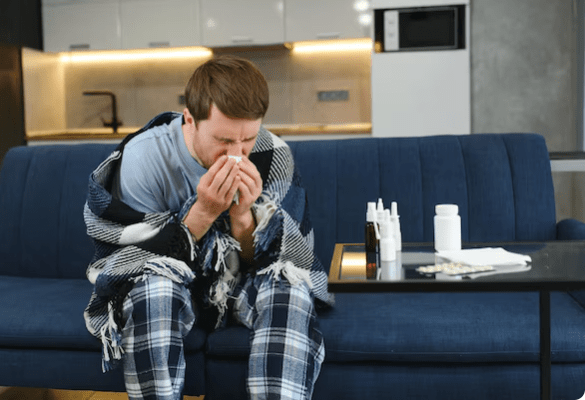
Symptoms don't usually show up right away. They usually show up two to ten days after being exposed and often feel like the flu at first, with a high fever, chills, muscle aches, and a dry cough. Some patients feel sick, have diarrhea, or are confused. The severity varies, but for older people or people with weak immune systems, the risks can be very high. Often, hospitalization is necessary. The death rate can go up very quickly if treatment isn't given right away.
Legionella is especially dangerous because it can be hard to see. People don't pass the bacteria to each other; they move through water droplets without making a sound. This makes it very hard to find the source of an outbreak, especially in cities with a lot of hotels, health centers, and apartment buildings with complicated plumbing. Investigators often go back and test water systems and HVAC cooling towers while the number of cases rises and people get worried.
In the last twenty years, public health departments have gotten very good at finding outbreaks early. If a patient comes to the hospital with pneumonia and has recently stayed in a hotel or hospital, many hospitals will now test for Legionella. Tests like urinary antigen tests can give you results quickly. These tests aren't always standard, though, and in less severe cases, they might not find the problem.
Once the disease is found, treatment is usually pretty easy. A variety of antibiotics, especially those that can easily get inside cells, have worked very well. Levofloxacin, azithromycin, and doxycycline are some of the most common drugs, and macrolides are safe for almost everyone. In serious cases or when other health problems make the illness worse, doctors may lengthen the course of treatment or give two or more antibiotics at once to cover more ground.
I remember reading about a nursing home where Legionnaires' disease quietly spread. Someone didn't think to test the water heater until the fourth case of pneumonia came up. That short delay—less than a week—made the difference between two recoveries and one death. It stayed with me how timing alone could change things so much.
So, prevention is the most important thing. There is no vaccine, so safety depends on careful maintenance of the system, such as cleaning the cooling towers, making sure the water is at the right temperature, and stopping water from sitting still. Hotels, hospitals, and cruise lines pay extra attention to water safety and microbiological monitoring, and they often hire experts to do this work. Regulatory standards have gotten a lot better since the early 2000s. Now, guidelines stress the importance of proactive testing and response plans.
Still, outbreaks happen from time to time, usually peaking in late summer and early fall when the weather is warmer and bacteria can grow more easily. The Centers for Disease Control and Prevention say that every year, between 8,000 and 18,000 people in the U.S. are hospitalized for Legionnaires' disease. People think that number is much lower than it really is.
It's interesting that not everyone who is exposed gets sick. Most people who breathe in contaminated mist will not be affected at all, which makes it even harder to predict how this illness will progress. But for those who do get sick, it can take a long time to get better, even with antibiotics. You might feel tired and short of breath for weeks. In rare cases, problems like kidney failure or trouble breathing can happen.
The story of how the disease started still affects how we think about it. The first American Legion outbreak was more than just a medical mystery; it was a lesson in how modern infrastructure can hide dangers. It showed how systems we trust to make us feel good, like hot tubs, warm showers, and cool air, can become dangerous when they aren't kept up.
By following strict water safety rules, facilities can greatly lower the chances of bacteria taking over. More modern buildings often have advanced systems that stop microbes from growing. But older buildings, especially those that were retrofitted without major updates, may still be dangerous if they aren't checked.
Legionnaires' disease is especially scary not because it is rare, but because it can be hard to spot. It hides in plain sight and gets stronger in silence until the first cough or fever sets off an alarm. And even though today's treatments are much better than those used in 1976, not recognizing something right away can still be deadly.
That's why learning is important. Being aware of the risk factors for Legionella can help you react faster and get better results, whether you're in charge of a building, checking into a hotel, or working in healthcare. Not only is a community that knows a lot safer, but it's also stronger.
The Quiet Strength of Pump House Surgery in a Changing Healthcare Landscape.
